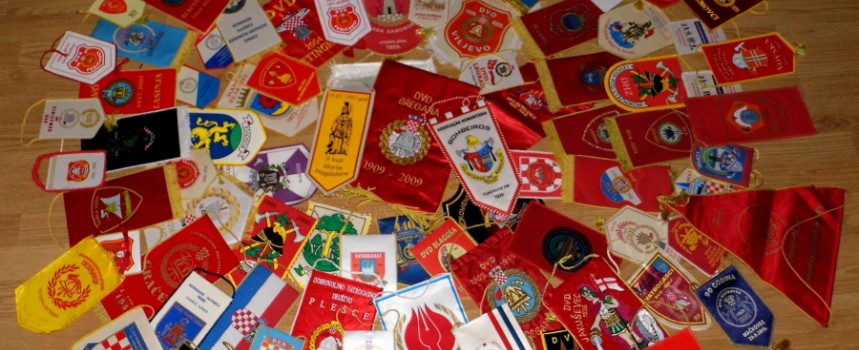
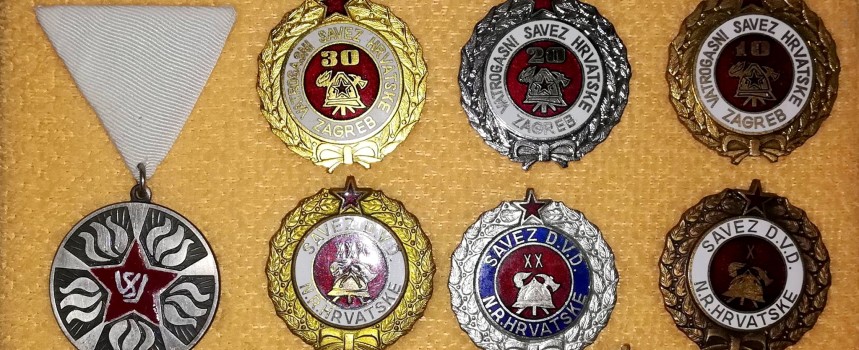
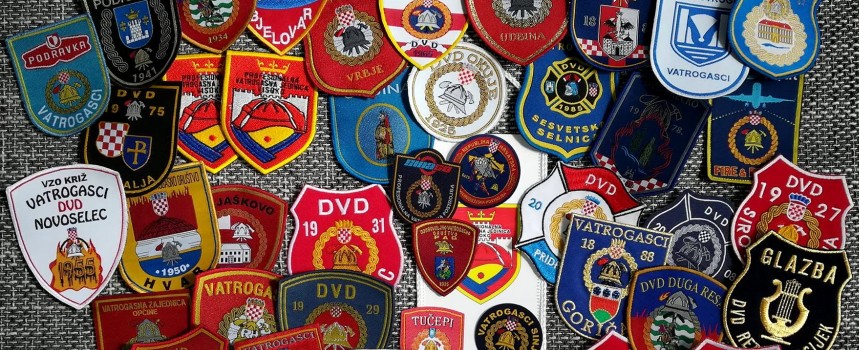
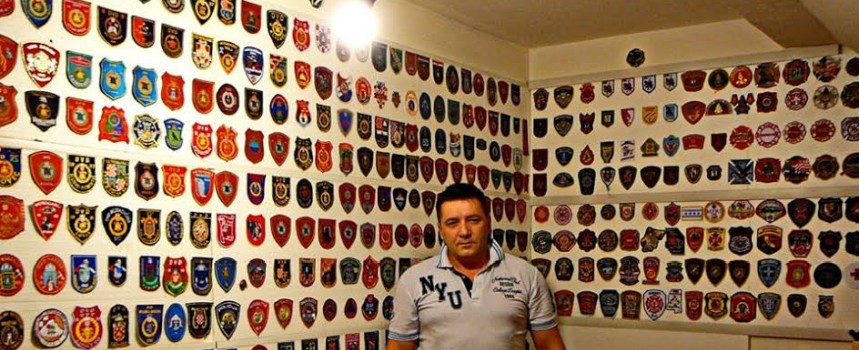
Kolekcionar vatrogasnog znakovlja
DAMIR MARENIĆ


DVD DUŽICA
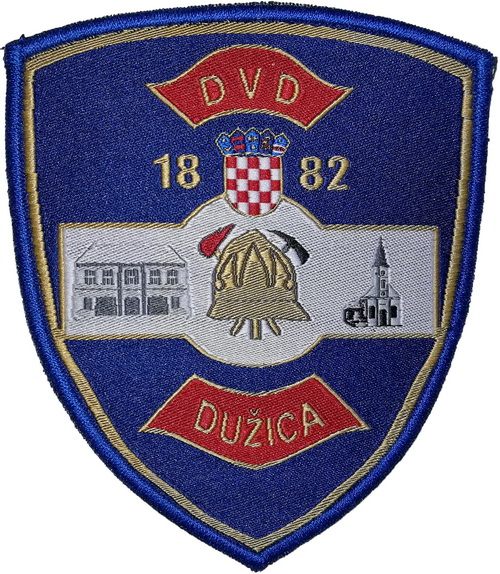
Dobrovoljno vatrogasno društvo Dužica nastalo je kao tzv. „roj“, odnosno kolektivni član matičnog Dobrovoljnog vatrogasnog društva Sela. Kao mjesni vatrogasni odjel osnovan na području tadašnje općine Sela, DVD Dužica postoji i djeluje od 1882. godine. Iako je sačuvano malo pisanih tragova o izravnom djelovanju vatrogasnog odjela Dužice, osnovni podaci o organiziranju vatrogastva rekonstruirani su temeljem novinskih zapisa i djelomično knjige zapisnika DVD-a Sela. Jedini materijalni dokaz postojanja društva iz tog vremena je vatrogasna štrcaljka iz 1889. godine. Naime, poznato je da je od 1877. do 1893. godine općina Sela obuhvaćala sva mjesta od Lekenika do Siska, a među njima i Dužicu. U to vrijeme organizacija vatrozaštite bila je dužnost općinskog poglavarstva, a sama masovnost društva ovisila je o tome koliko su ljudi bili svjesni požarnih opasnosti. Kad je riječ o Dužici, u povijesti je zabilježeno da je ona bila čuvena po tradicionalnoj kućnoj radinosti obrade drveta u takozvane duge, potrebne za izradu bačvi. Taj poluproizvod masovno se izrađivao i preko Siska prevozio u razne vinorodne krajeve Hrvatske pa čak i u inozemstvo. Takav posao, uz svakodnevni poljoprivredni urod, mogao je u trenutku biti uništen pojavom vatre. Zato su naši stari među prvima prihvatili ideju o organiziranju mjesnog vatrogasnog odjela, sastavljenog od ondašnjih sitnih zanatlija među kojima je, prema usmenom kazivanju Dužičana, bila obitelj kolara Ive Martinića, kasnije tesara Stjepana Franića, postolara Drage Korbara i nekoliko seoskih trgovaca i nakupaca drvom.
Prema zapisniku sačuvanom uz prvi Statut društva, 16. srpnja 1882. godine, na prijedlog učitelja Rukavine, trgovca Špeljaka i poštara Domitrovića, općinski načelnik prihvatio je prijedlog i odobrio održavanje osnivačkog skupa DVD-a Sela. Najnapredniji stanovnici deset okolnih mjesta, okupili su se u Selima. Osnovna zadaća djelovanja društva u prvom desetljeću, bila je osnivanje i – organiziranje vatrogasnog odjela u okolnim selima. Sukladno tadašnjim propisima u vatrogasnom seoskom odjelu bili su organizirani penjači, štrcari i čuvari požarišta. Pojačan rad počinje prigodom nabavke 10 štrcaljki 1892. godine, a tada se stvara i čvrsta organizacija vatrogasnih odjela. Kraljevski inženjer Kosta Tomac, zadužen za vatrozaštitu sela na području sisačkog kraja, u svojim je člancima objavljivanim 1890-tih godina u „Vatrogasnom vjesniku“ ukazivao na zakonsku obvezu da općine u svakom selu organiziraju vatrogasnu momčad i nabave jednu štrcaljku. Također je upućivao i na „Obučevnik“, vatrogasni udžbenik Đure Deželića, koji obrađuje upravo potrebu ustroja seoskih četa. Općina Sela među prvima je realizirala tu zakonsku obvezu i postala oglednim vatrogasnim centrom obuke ostalih sela i općina. Iz požarne kronike „Vatrogasnog vjesnika“ tijekom 1890-tih godina doznajemo tako izravno o djelovanju vatrogasnih odjela u Gredi, Žažini i Dužici. Zatim tijekom velikog požara u Žažini, 05. srpnja 1902. godine na domaćinstvu Miška Lončarića, o složnom djelovanju vatrogasaca zabilježeno je slijedeće. „Dok su vatrogasci iz Sela na garištu radili, dohrlili su u pomoć članovi istog društva, podružnice iz Grede, Dužice i Odre, svaki sa štrcaljkom, pa je tako na garištu bilo 5 štrcaljka i troje cijevnih kola čime bi se moglo boriti i proti većem požaru, kada bi možda bio.“ Masovni rad vatrogasnog odjela Dužice, kao i ostalih bio je prekinut tijekom Prvog svjetskog rata. Po završetku toga rata i vatrogasci iz Dužice odazvali su se pozivu vojvode Ivana Domitrovića, upućenom 04. svibnja 1919. i počeli s obnovom društva. Njihovim zalaganjem ponovno počinje nova obnova vatrogasnog odjela koje je tih desetljeća između dva svjetska rata i mjesto okupljanja kulturno-umjetničkih sekcija. Zaštita od požar i druženje na zabavama i predstavama ostao je poticaj okupljanja mladih generacija koji vatrogasnu tradiciju promiču sve do Drugog svjetskog rata, kada vatrogastvo, zbog ratnih strahota, prestaje djelovati kao organizacija, jer je vatrozaštita organizirana u tadašnjoj Narodnoj zaštiti od pripadnika starije generacije vatrogasaca.
Voluntary fire brigade Dužica was created as the so-called "swarm", i.e. a collective member of the parent Voluntary Firefighting Society of the Village. As a local fire department established in the territory of the then municipality of Sela, DVD Dužica has existed and operated since 1882. Although few written traces of the direct action of the Dužica fire department have been preserved, the basic information on the organization of the fire department has been reconstructed on the basis of newspaper records and partially the record book of DVD Selo. The only material evidence of the existence of the society from that time is a fire hydrant from 1889. Namely, it is known that from 1877 to 1893 the municipality of Sela included all the towns from Lekenik to Sisak, including Dužica. At that time, the organization of fire protection was the duty of the municipal authorities, and the mass of society itself depended on how aware people were of fire hazards. When it comes to Dužica, it is recorded in history that it was famous for the traditional home craft of processing wood into so-called rainbows, needed for making barrels. This semi-finished product was mass-produced and transported via Sisak to various wine-growing regions of Croatia and even abroad. Such work, along with the daily agricultural harvest, could be destroyed in an instant by the appearance of fire. That's why our elders were among the first to accept the idea of organizing a local fire department, composed of small craftsmen of the time, among whom, according to oral accounts of Dužič residents, was the family of wheelwright Ivo Martinić, later carpenter Stjepan Franić, shoemaker Drago Korbar and several village merchants and wood buyers.
According to the minutes preserved with the first Statute of the society, on July 16, 1882, at the suggestion of the teacher Rukavina, the merchant Špeljak and the postman Domitrović, the municipal mayor accepted the proposal and approved the holding of the founding meeting of DVD Sela. The most advanced inhabitants of ten surrounding towns gathered in Selim. The basic task of the society's activities in the first decade was the establishment and organization of the fire department in the surrounding villages. In accordance with the regulations of the time, climbers, sprinklers and fire wardens were organized in the village fire department. Intensified work began with the purchase of 10 syringes in 1892, and then a solid organization of fire departments was created. Royal engineer Kosta Tomac, in charge of fire protection of villages in the Sisak region, in his articles published in the 1890s in the "Vatrogasni vjesnik" pointed out the legal obligation for municipalities in each village to organize a firefighting team and acquire one syringe. He also referred to "Obučevnik", a fireman's textbook by Đura Deželić, which deals precisely with the need for the organization of village companies. The Municipality of Sela was one of the first to realize this legal obligation and became an exemplary firefighting training center for other villages and municipalities. From the fire chronicle of the "Vatrogasni vjesnik" during the 1890s, we learn directly about the activities of the fire departments in Greda, Žažina and Dužica. Then, during the big fire in Žažina, on July 5, 1902, at the household of Miško Lončarić, the following was recorded about the concerted action of the firefighters. "While the firefighters from Selo were working at the fire station, members of the same company, branches from Greda, Dužica and Odra, came to help, each with a syringe, so there were 5 syringes and three hose trucks at the fire station, which could be used to fight against larger fire, when it might have been." The mass work of the Dužica fire department, as well as others, was interrupted during the First World War. After the end of that war, the firefighters from Dužica also responded to the call of Duke Ivan Domitrović, sent on May 4, 1919, and began to rebuild the company. With their efforts, the new renovation of the fire department, which was the meeting place of the cultural and artistic sections in those decades between the two world wars, begins again. Fire protection and socializing at parties and shows remained the impetus for the gathering of young generations who promoted the firefighting tradition until the Second World War, when the fire department, due to the horrors of war, ceased to function as an organization, because fire protection was organized in the then National Protection from members of the older generation of firefighters .